Where Can You Buy ARC Raiders Loot Safely in 2026?
Yes, you can buy ARC Raiders loot in 2026 through in-game item drops, but there's no official marketplace and RMT breaks Embark's Terms of Service. Here's how it actually works, the real risks, and the safest way to gear up fast.
Can you buy ARC Raiders loot?
Yes — you can get loot handed to you in ARC Raiders, but there's an important catch: the loot itself moves through in-game item drops during raids, not through any official store or auction house. As of the latest updates, ARC Raiders trading refers to the way players exchange value through loot sharing, blueprint coordination and vendor transactions inside the extraction shooter economy, and the game does not yet include a built-in trade interface — there is no official player marketplace, auction house, or stash-to-stash trading system yet.
So when someone says "buy ARC Raiders loot," what actually happens is this: you pay a provider, you both drop into a raid, they drop the gear on the ground, and you pick it up and extract. The transaction is real, the delivery is in-game, and the whole thing hinges on you surviving to the exit. That mechanic — players can drop items during missions, teammates can pick them up and keep them if they extract successfully, and this is the most common player-to-player trade method in ARC Raiders — is the backbone of every loot service out there.
Field note: After enough runs you learn the drop-and-extract handoff is the risky part, not the payment. If you get third-partied on the way out, that shiny purchased loadout goes into someone else's stash. Always agree on a quiet extract and a clean meeting point before the timer starts.
Is buying ARC Raiders loot safe — or will you get banned?
Here's the honest version. Real-money trading (RMT) sits in a gray zone that leans against Embark's official rules. On the Steam forums, the community-quoted policy is blunt: while dropping items for others in-game may be possible, trading for anything of value (real money or otherwise) and account sales are prohibited under the Terms of Service. So no one can honestly promise you a service is "100% ban-proof" — anyone who does is lying.
That said, the practical enforcement picture is softer than the policy text. Embark's current system is a progressive ban system with three escalating stages: first-time offenders receive a 30-day ban, which increases to 60 days for a second infraction, and a permanent ban is only issued after a third violation of the game's fair play rules. Notably, that enforcement is aimed squarely at cheating and exploiting — and the community has widely criticised it as too lenient. On the receiving-loot side specifically, Embark's policy targets the act of exploiting, not the passive receipt of items in normal gameplay, and no confirmed cases of players being banned solely for looting items from other players have surfaced.
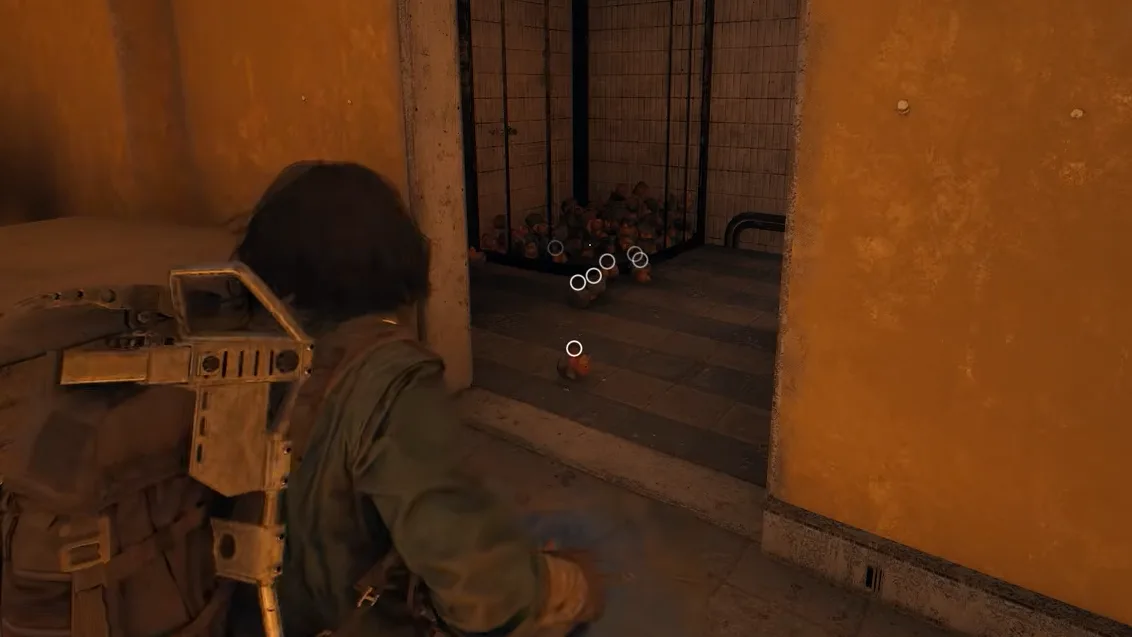
The bigger, more immediate danger is duped loot. The market is currently polluted with it: Embark has stated it wants to promote player trading, but duped items — particularly high-value ducks and rare blueprints — have flooded trading channels, undermining the value of legitimately obtained gear, and some players report that trades now demand stacks of duplicated ducks. If you buy loot and it turns out to be duped, you're exposed to whatever future crackdown Embark rolls out. That's the risk you're actually hedging against — not a random ban wave for picking up gear.
Pro-tip: Ask a provider directly where the loot comes from. Legitimately farmed materials, blueprints, and Coins are a completely different risk profile than "stacks of ducks" pulled from a dupe glitch. If a deal is suspiciously cheap for a rare item, assume it's duped.
How the loot-buying options compare
There are a few routes to "buying" ARC Raiders loot, and they don't carry the same risk. Here's the field breakdown:
| Route | How it works | Main risk | Best for |
|---|---|---|---|
| In-game drop trade (P2P) | Player drops loot, you extract with it | Scams, getting third-partied, duped items | One-off rare items from a trusted source |
| Open marketplaces (G2G, PlayerAuctions, etc.) | Buy listings from anonymous sellers | Duped goods, inconsistent quality, disputes | Bargain hunters who accept the risk |
| Coins (in-game currency) | You get currency and buy loot yourself from vendors | Lowest — you control what you spend on | Anyone who wants flexibility and safety |
The key insight most guides skip: buying Coins is usually the smarter play than buying a specific piece of loot. Coins are the universal fuel of the economy — in the underground hub of Speranza, the Traders serve as the backbone of the economy, functioning as your primary vendors and progression loop; they offer quests to extract valuable loot, and in exchange you can purchase the essential weapons, medical supplies, and extraction keys required to stay alive. With a stack of Coins you decide what to gear up with, and you avoid the duped-item minefield entirely because you're buying from in-game vendors, not from a stranger's inventory.
Why loot matters more right now
The timing is good for gearing up, because the loot economy has genuinely improved. ARC Raiders has quietly moved into a more generous phase of its loot economy, and earlier Patch 1.22.0 made one of the clearest loot-focused changes: increased loot value in all locked rooms, scaling by key rarity. The trend continued in July: Live Update 1.36.0 significantly increased the value of loot dropped by ARC Turbines, with the devs noting they'd heard feedback that the Turbine's loot was too low compared to the high effort required to take one down.
And Embark keeps stacking reasons to have gear ready. The August 2026 cycle brought a fresh Raider Project — the biggest highlight of the latest update is the arrival of a brand-new Raider Project, and according to Embark's announcement, mysterious "phantom targets" have appeared on Raider radar. If you want to hit those events fully kitted instead of scrapping for materials, having Coins on hand is the difference between playing the content and grinding toward it.
If you want to farm it yourself first, our ARC Raiders blueprint & loot farming guide walks the routes — but if you're short on time, the currency route is faster and cleaner.
Related questions
Is there an official ARC Raiders auction house? Not yet. Every trade currently runs through in-game item drops or off-platform communities. Players expect future updates to expand the economy, so traders prepare early by saving valuable blueprints and high-demand components. Until an official system lands, treat all "marketplaces" as third-party.
Can I get banned for picking up loot someone dropped for me? There are no confirmed bans for simply receiving loot in normal gameplay — enforcement targets exploiting and cheating, not passive receipt. The real exposure comes from duped items, so know your source.
Should I buy loot or buy Coins? For most players, Coins. You avoid duped-item risk, you buy exactly what you need from in-game vendors, and you're never stuck with gear you don't want. Specific loot buys make sense only for a rare blueprint you can't otherwise reach.
Are cheap marketplace listings safe? Be skeptical. Suspiciously cheap rare items are often duped, and open marketplaces don't guarantee provenance. A fair price from a source that can explain where the loot came from beats a bargain that gets patched into worthlessness.
Farming a full loadout — Coins, blueprints, mods, and materials — the honest way is dozens of hours of raids, and half of it can vanish to a single bad extract. If you'd rather skip the grind and spend that time actually raiding, our ARC Raiders Coinsfrom $0.49 service hands you the currency to buy exactly the loot you want, safely, from in-game vendors.